By 2026, the global cannabis tourism landscape has transitioned from the "Wild West" phase of the early 2020s into an era of mature, albeit complex, legislative models. We have left the days of simple decriminalization behind and entered a world of strict regulation that shifts dramatically from one border to the next. For the modern traveler, success no longer depends on the ability to find a point of sale, but on understanding the legal architecture of the region—whether it’s a private club in Catalonia, a legendary coffee shop in Amsterdam, or a luxury lounge in Nevada.
Europe
In 2026, Europe offers three distinct scenarios: Spain’s privacy, the Netherlands’ openness, and Germany’s restrictiveness.
Spain: Private Associations
Spain remains the gold standard for those who value a "home away from home" atmosphere. Operating under the Cannabis Social Club model, these establishments are not retail stores but private, non-profit organizations. In Barcelona, the experience is intentionally kept non-public. To enter, you must become a registered member of the association—a procedure that requires a physical passport or ID and an invitation from an existing member or the club itself.
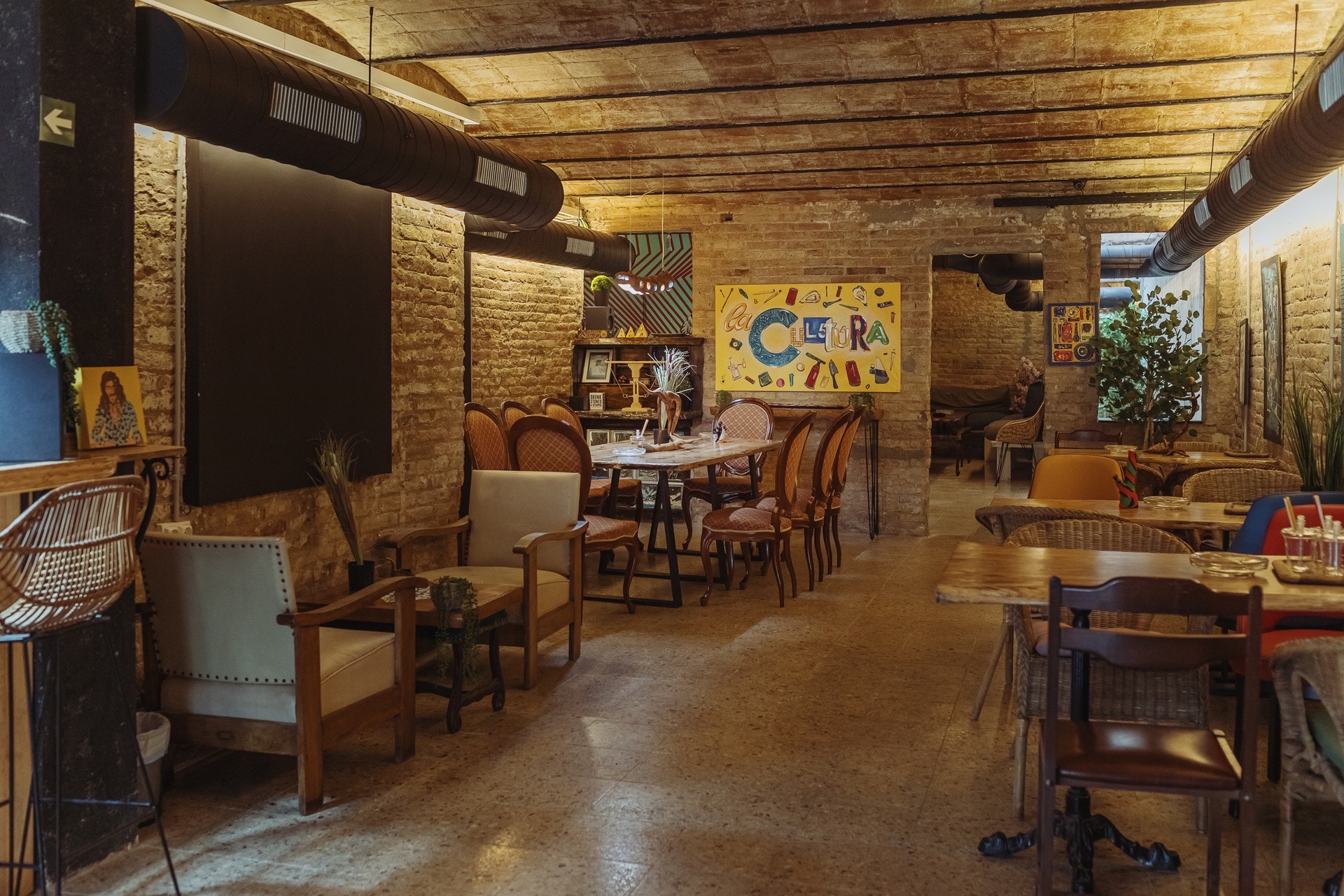
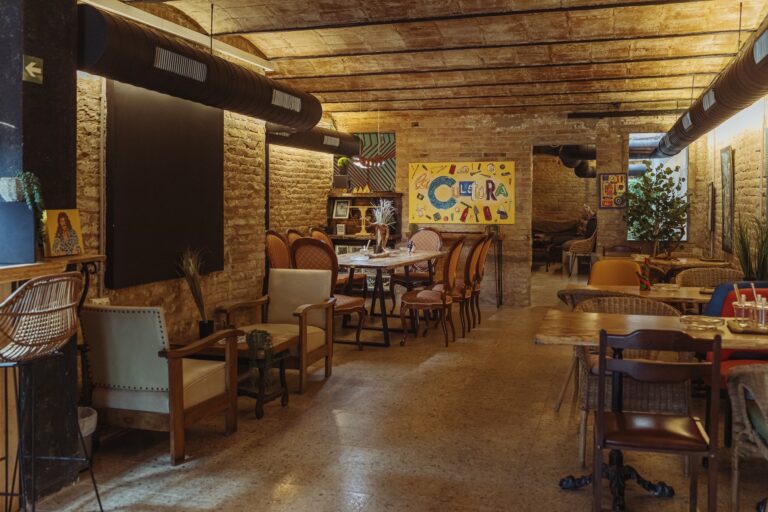
La Cultura Cannabis Club in Barcelona
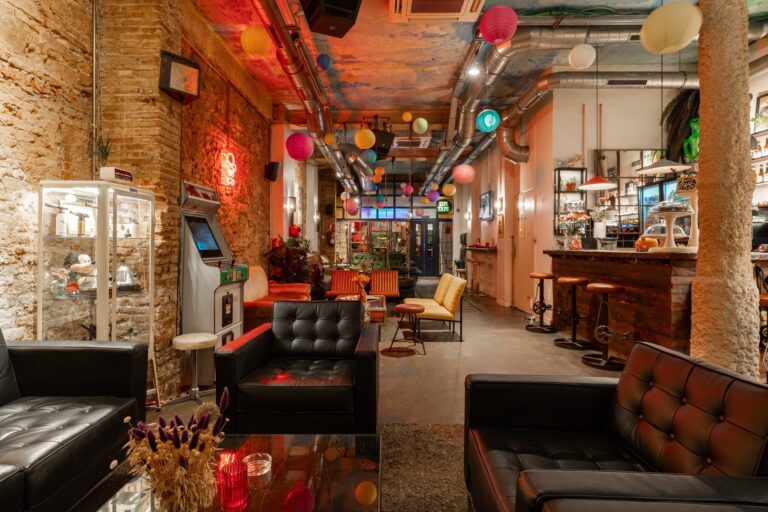
Etiquette is paramount here: you do not "buy" a product; you receive your share of the association's harvest in exchange for a "contribution." Inside the clubs, a social atmosphere prevails: comfortable sofas, high-speed Wi-Fi, and community interaction. However, cash remains the absolute rule. Due to the legal vacuum in which these clubs operate, you will rarely find a card terminal.
The Netherlands: Iconic Coffee Shops
While others are just beginning, the Netherlands in 2026 is completing a massive reboot of its famous model. Thanks to the expansion of the "Wietexperiment" (a state-regulated legal cultivation experiment), many cities across the country finally sell products that are fully legal "from seed to sale," displacing the old policy of purchasing from illegal growers.
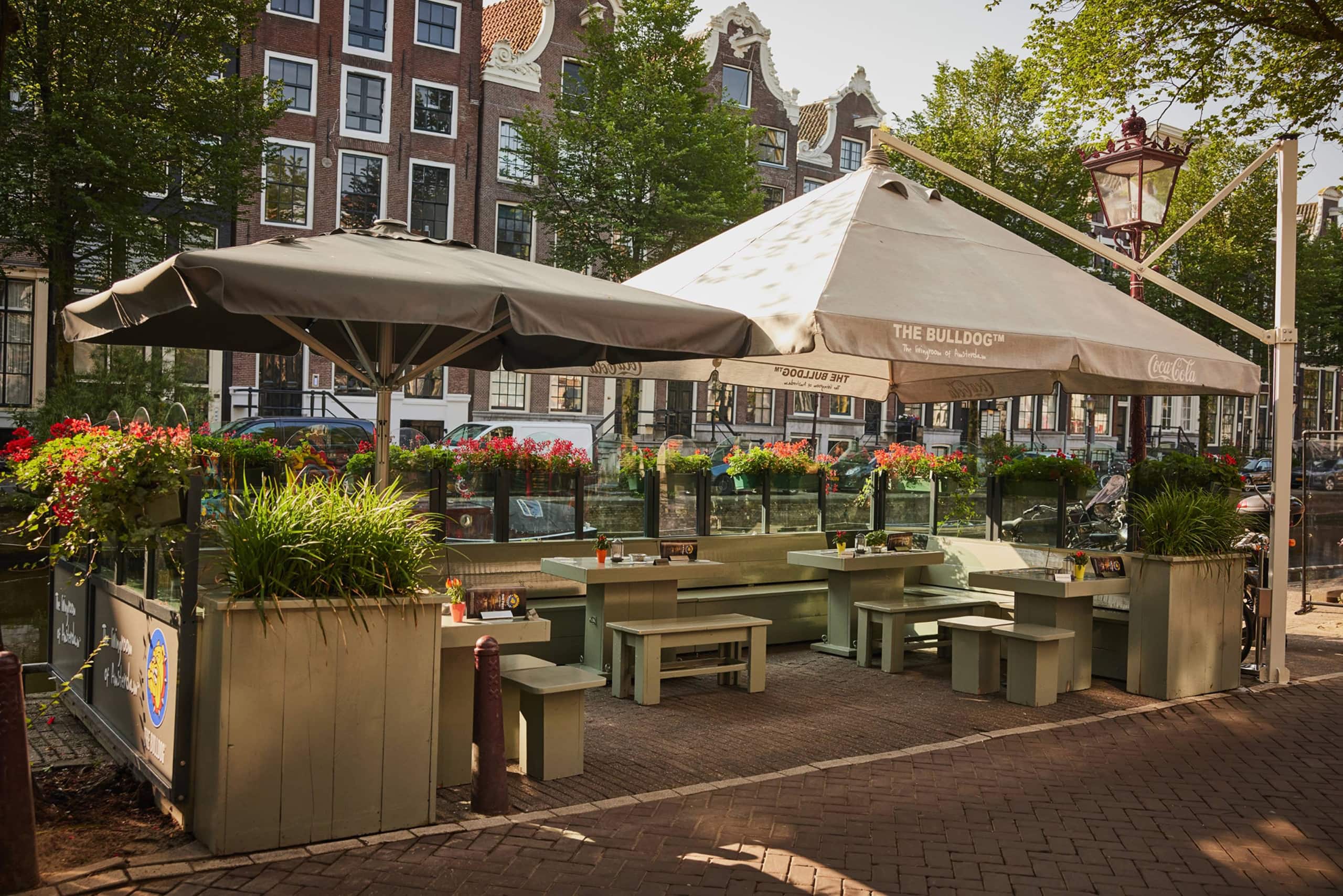
The Bulldog The First terrace in Amsterdam | Source: thebulldog.com
Unlike Spain, Dutch coffee shops are open to the general public (18+). However, tourists should keep the "I-criterium" (residency requirement) in mind. While Amsterdam actively resists this restriction, border towns (such as Maastricht) strictly allow only locals. In terms of payment, the Netherlands has transitioned largely to bank cards, though many establishments still prefer cash.
Germany: Residents Only
Germany has launched its "cultivation associations," but for the average tourist in 2026, the doors remain closed. By law, you must be a resident of the country for at least six months to join a club, and consumption within the premises is strictly prohibited. For travelers, the Netherlands and Spain remains the only functional hubs in Europe.
North America
While Europe remains conservative or functional, North America has moved into a full "lifestyle" experience. In 2026, California and Nevada have perfected the "Consumption Lounge" format. This is the commercial version of the industry—bright, open, and integrated into the hospitality sector.
In Las Vegas, the scene has evolved into elite "cannabis cafes" where you can combine a tasting of local strains with exquisite dining from Michelin-level chefs. The focus is on service: live music, menus paired by terpene profiles, and tableside service. Unlike the European model, no long-term membership is required: if you are 21 and have a passport, the doors are open. Canada has followed a similar path, emphasizing cannabis resorts where boutique hotels offer "friendly" balconies and CBD spas.
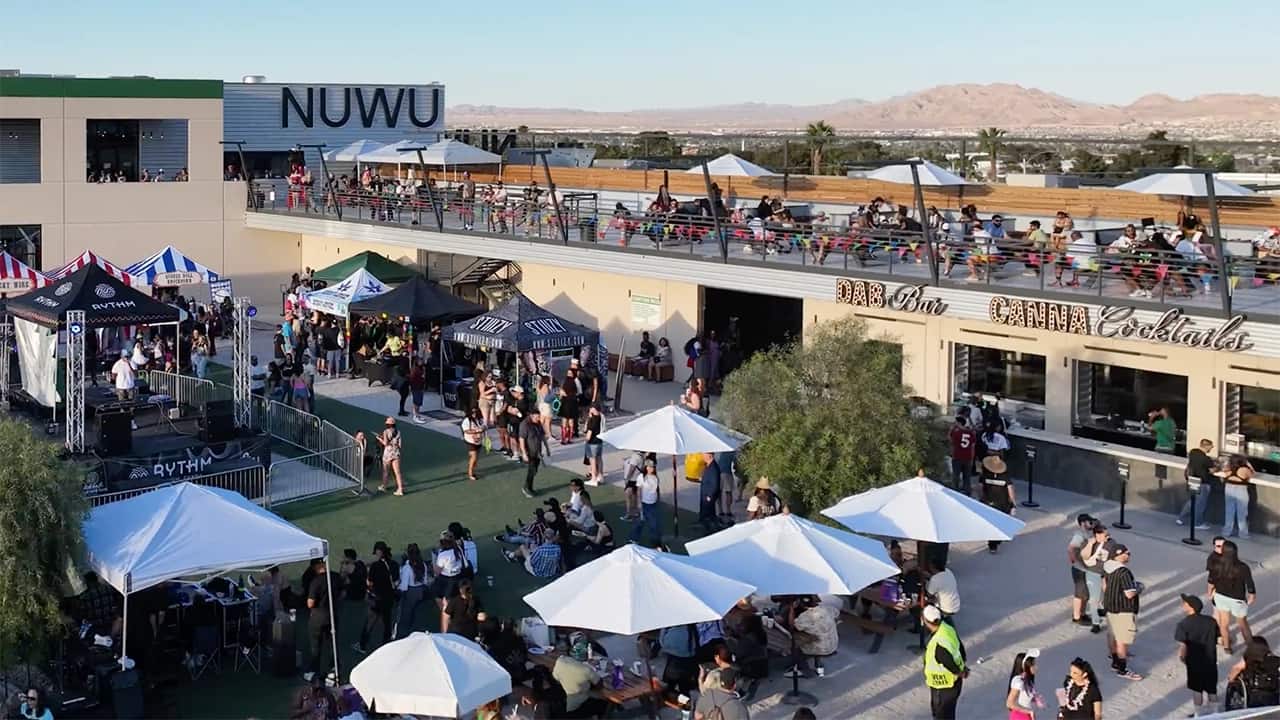
Outdoor area of NuWu Cannabis Lounge in Las Vegas | Source: mjbizdaily.com
Banking Nuances:
Despite the professionalism, American lounges still face federal banking restrictions. Many places accept debit cards, but credit transactions are often blocked. Always carry a physical ID; digital copies are almost never accepted due to strict compliance software.
Asia
Thailand's journey has been a rollercoaster. After the "green rush" of 2022, the government made a decisive move in 2025 by returning cannabis to the category of controlled medical herbs. In 2026, thousands of neon shops in Bangkok and Phuket have officially become "clinics."
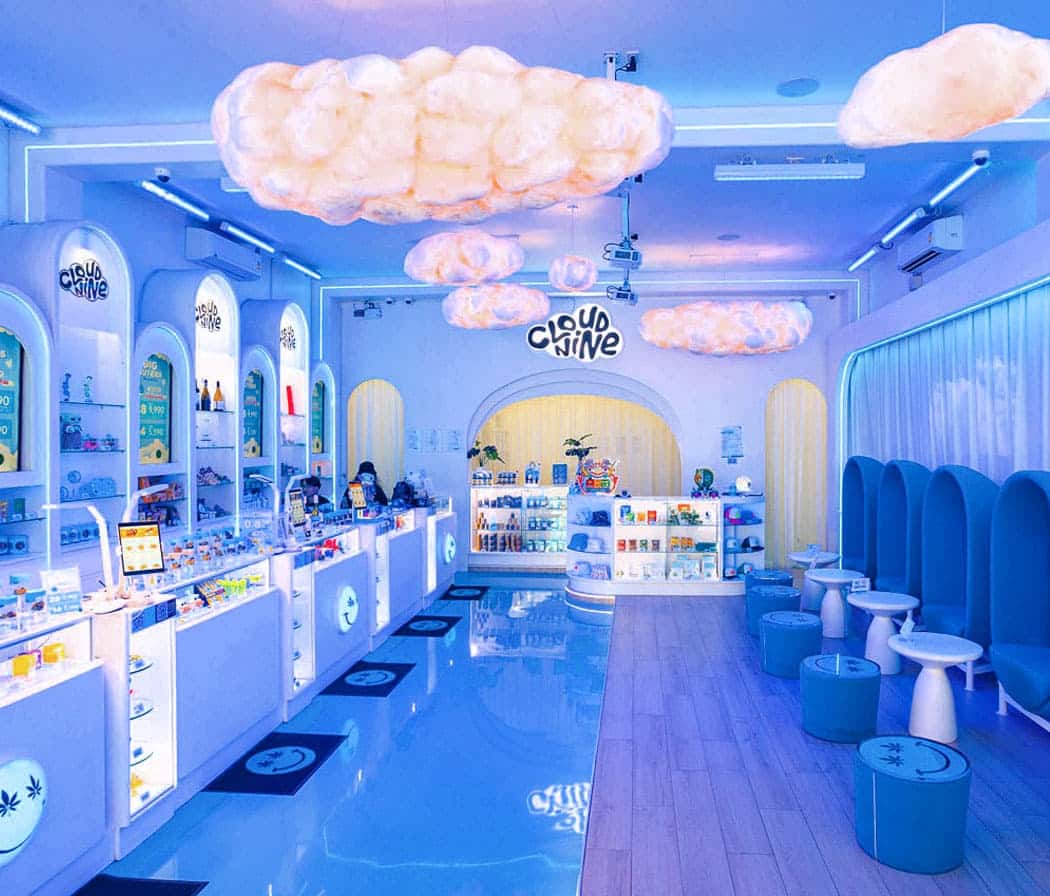
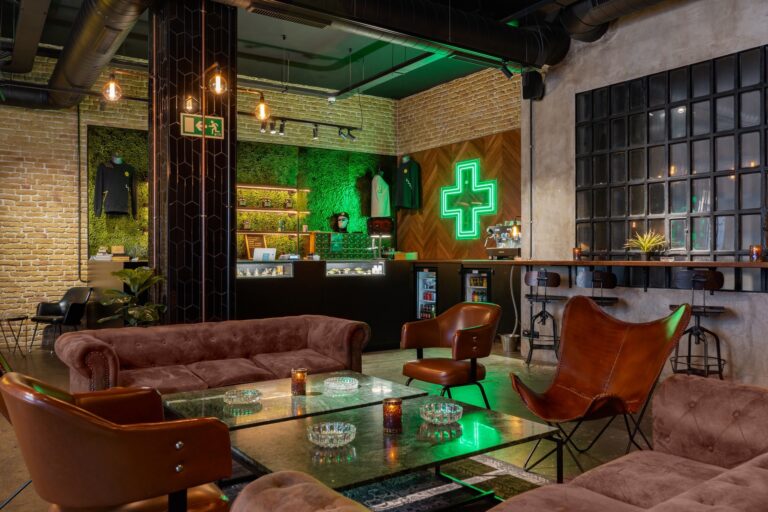
Inside Cloud Nine clinic in Bangkok | Source: cloudninethailand.com
For the traveler, this means the era of buying cannabis as a souvenir is over. To purchase flower, a formal medical justification is now required. The industry adapted quickly: most reputable shops employ an on-site "consultant" or doctor who issues a digital prescription in minutes. While it may seem like a formality, it is a legal requirement. Most clinics now offer dedicated "medical rooms" for consumption, as smoking in public places carries heavy fines.
| Region | Legal Status | Entry Requirements | Payment | On-site Consumption |
|---|---|---|---|---|
| Barcelona | Private Club (CSC) | Membership + Passport | Cash only | Yes (encouraged) |
| Amsterdam | Coffee Shop | 18+ (Passport/ID) | Debit / Cash | Yes (tobacco-free) |
| USA (NV, CA) | Commercial Lounge | 21+ (Passport) | Cash / Debit | Yes (luxury service) |
| Thailand | Medical Clinic | Medical "prescription" | QR / Cash / Card | In designated zones |
| Germany | Cultivation Club | Residency (6 months) | Bank transfer | Strictly prohibited |
FAQ
Can I use a digital ID or a photo of my passport?
Almost certainly not. In 2026, clubs and lounges are under intense regulatory pressure. No physical passport means no entry.
Is it legal to smoke on the street in a "green" country?
No. In almost all jurisdictions (including Spain, the US, and Thailand), public consumption is an administrative offense. В Amsterdam, this is increasingly restricted in the city center. Always stay within the walls of a club, shop, or private residence.
Why don't they accept my credit card?
Cannabis remains in a "grey zone" for global payment systems. Visa and Mastercard often block these transactions to avoid money laundering allegations. Even in 2026, the phrase "Cash is King" remains the industry's unofficial motto, especially in Spain and the US.
Can I fly from Amsterdam to Barcelona with my own cannabis supply?
Absolutely not. Crossing any international border with cannabis is considered drug trafficking, regardless of the laws in the departure or arrival point. Leave everything in the bin before the airport and buy fresh upon arrival.