According to data from the European Union Drugs Agency (EUDA), cannabis remains the most commonly consumed controlled substance across Europe. Approximately 8% of European adults aged 15 to 64 have used cannabis within the past year. Among young adults aged 15 to 34, annual prevalence rises to roughly 15%. Furthermore, an estimated 1.3% of the European population consumes cannabis daily or near-daily.
Despite these high consumption rates, there is no unified European approach to market regulation. In neighboring jurisdictions, possession of an identical quantity of the substance can result in either a minor administrative fine or criminal prosecution carrying a custodial prison sentence.
Key Takeaways
What is the general legal status of cannabis in Europe?
There is no uniform legal framework across Europe. Member state policies range from strict criminalization to highly regulated recreational markets. Cross-border transportation of the substance remains strictly prohibited in all cases, except for patients carrying a valid medical certificate issued under Article 75 of the Schengen Agreement.
How do liberal regulatory models differ among EU countries?
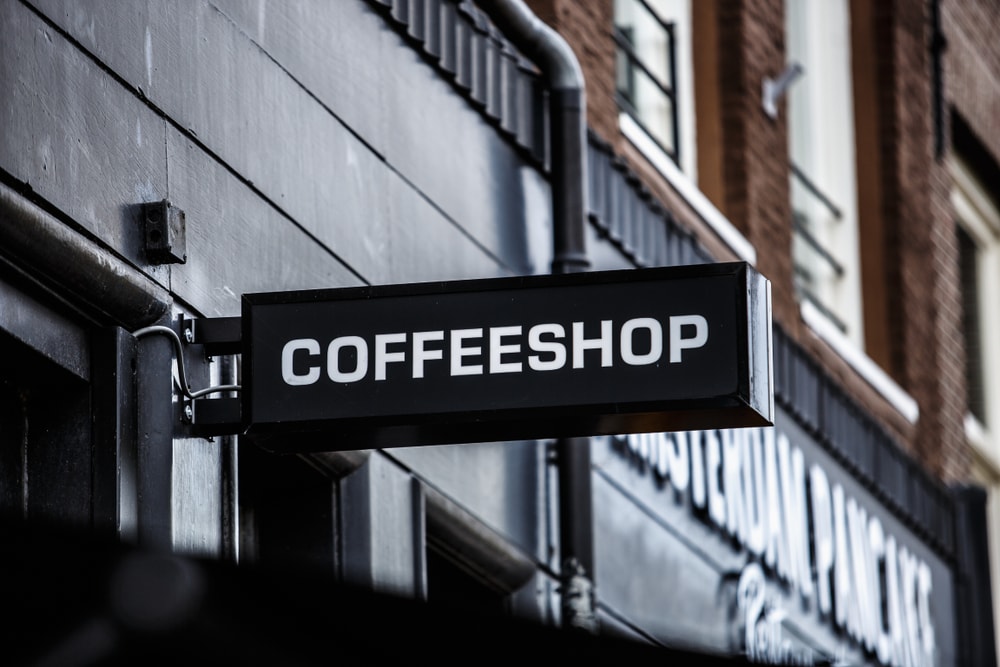
Several nations — including Germany, Malta, and Luxembourg — have partially legalized personal cultivation and possession, though retail access remains unavailable to tourists. In Spain, recreational access is restricted to private, non-commercial cannabis clubs operating within a regional regulatory framework. In the Netherlands, cannabis sales in coffeeshops are officially tolerated under a structural leniency policy rather than being formally legalized by statute.
Understanding Regulatory Terms
Legalization: The complete removal of a legal prohibition. The state regulates, licenses, and taxes the production, distribution, and consumption of a substance, similarly to alcohol or tobacco commercial frameworks.
Decriminalization: The reduction or reclassification of legal liability. Possession of small amounts for personal consumption is downgraded from a criminal offense to an administrative violation, typically punishable by fines rather than imprisonment.
Depenalization: A framework where an act remains a formal criminal offense, but statutory provisions or prosecutorial guidelines direct the police and courts to waive actual punishments or criminal records for offenders.
Strict Ban and Criminalization
In this category of European nations, cannabis is classified as a strictly controlled, high-risk drug. Government authorities enforce punitive policies, applying severe judicial or financial sanctions for both trafficking and simple possession.
🇸🇪 Sweden
Swedish law penalizes both the possession and the direct consumption of illicit substances. Law enforcement authorities hold the statutory right to mandate blood or urine tests if there is reasonable suspicion of recent use. The detection of cannabinoid metabolites in bodily fluids constitutes sufficient proof of guilt. Penalties include criminal prosecution, substantial fines, or imprisonment for up to six months.
🇫🇷 France
Despite maintaining high national consumption rates, French legislation enforces a strict fixed on-the-spot fine (amende forfaitaire) of €200 for possession of small quantities. Prompt payment within 15 days reduces the fine to €150, while delays beyond 45 days elevate the penalty to €450. The offense is formally registered in a national civil database.
🇭🇺 Hungary
Hungarian law enforces strict criminal liability for the possession of minor quantities of cannabis designated for personal consumption. Securing even minimal amounts of the substance can result in criminal prosecution and a statutory penalty of up to two years of imprisonment.
🇱🇻 Latvia
Possession of cannabis for personal use remains illegal in Latvia. A first-time offense results in either an official administrative warning or a fine of up to €280. However, a secondary arrest within a rolling 12-month period automatically elevates the offense to a criminal charge, carrying a potential prison sentence of up to three months, community service, or heavy judicial fines alongside a mandatory criminal record.
Medical Use Frameworks Only
In these jurisdictions, recreational consumption remains prohibited, but statutory frameworks allow healthcare providers to prescribe cannabis-based medicinal products to qualifying patients.
🇬🇧 United Kingdom
Medical cannabis has been legal in the UK since late 2018 via specialist prescription, operating primarily within the private healthcare sector. CBD products adhering to specific statutory THC limits are sold legally over the counter. Recreational cannabis remains fully prohibited; penalties for possession vary by regional police guidelines and range from formal cannabis warnings and community resolutions to fines or arrest.
🇮🇹 Italy
Medical cannabis is legal in Italy and partially subsidized by national health insurance, with domestic cultivation managed exclusively by a military pharmaceutical plant in Florence. Recreational possession of personal amounts is non-criminal but triggers administrative sanctions, including the temporary suspension of driving licenses, identity cards, or passports. Products under the "Cannabis Light" classification (THC content below 0.2%) are legally restricted to collectible or souvenir sales.
🇵🇱 Poland
Poland legalized medical cannabis in 2017. Pharmaceutical preparations are imported and dispensed strictly via specialized prescriptions (Rpw) for severe chronic conditions. Conversely, recreational use is strictly prohibited. While possession of any unauthorized volume remains a criminal offense, public prosecutors maintain the statutory discretion to dismiss cases involving negligible quantities intended for personal use.
🇬🇷 Greece
Greece authorized the medical use of cannabis in 2018 and subsequently legalized domestic cultivation for pharmaceutical manufacture. Patients may purchase approved preparations through specialized pharmacy chains using a valid medical prescription. Any unauthorized cultivation, trafficking, or recreational consumption remains strictly prohibited under criminal law.

Regulated Recreational Frameworks
These European states have implemented partial legalization, decriminalization, or structured non-commercial access frameworks for adult personal consumption and cultivation.
🇩🇪 Germany
Since the enactment of the Cannabis Act (CanG) in April 2024, adults in Germany are legally permitted to possess up to 25 grams of cannabis in public spaces and up to 50 grams within a private residence. The law permits the cultivation of up to three mature plants per household. Membership in non-commercial Cannabis Social Clubs for collective cultivation is restricted to individuals who have maintained habitual residency in Germany for at least six months. Public consumption remains prohibited within a 100-meter radius of schools, daycare centers, and playgrounds, as well as within designated pedestrian zones during daytime hours.
🇪🇸 Spain
The Spanish model centers on constitutional protections regarding the right to privacy and personal autonomy. The consumption and cultivation of cannabis within private spaces do not constitute an offense, provided there is no intent to distribute. Possession or consumption in public spaces is an administrative violation subject to fines ranging from €501 to €30,000.
Recreational consumers often utilize Cannabis Social Clubs, which operate as closed, private, non-commercial associations. Admission generally requires a referral from an active member, presentation of valid government identification, and payment of an annual membership fee (typically around €20). Financial contributions within the club are classified as shared cultivation cost allocations rather than commercial transactions. Transporting cannabis on public streets or in public spaces remains subject to administrative confiscation and fines.

🇲🇹 Malta
In December 2021, Malta became the first European Union member state to formalize a legal framework for personal possession, home cultivation, and non-commercial cannabis associations. Adults may legally possess up to 7 grams of cannabis in public and cultivate up to four plants per household. Distribution is conducted exclusively through licensed non-commercial associations. Public consumption and consumption in the presence of minors remain strictly prohibited and attract severe administrative fines.
🇱🇺 Luxembourg
Luxembourg enacted statutory changes in 2023 permitting adult residents to cultivate up to four cannabis plants per household at their primary residence for private consumption. Public possession and public consumption remain illegal; however, penalties for possessing minor quantities (under 3 grams) have been reduced to simplified administrative fines.
🇳🇱 The Netherlands Framework
Since 1976, the Netherlands has maintained a distinct policy of official tolerance known as Gedoogbeleid. Contrary to popular assumptions, cannabis has not been formally legalized by statute.
Possession of up to 5 grams for personal consumption remains technically illegal but is systematically depenalized under established law enforcement guidelines.
Retail sales are tolerated within licensed coffeeshops under strict municipal guidelines. To address the historical "backdoor problem" (where coffeeshops purchased from an unregulated supply chain), the Dutch government is conducting a regulated supply chain pilot program utilizing state-licensed commercial growers.
Frequently Asked Questions
Is it legal to transport cannabis across borders within the EU?
No. Despite the absence of systematic border controls within the Schengen Area, cross-border transportation of cannabis remains classified as international drug trafficking and is subject to severe criminal liability. The sole exception applies to medical patients carrying an official certificate issued under Article 75 of the Schengen Agreement.
Are cannabis clubs in Spain fully legal?
They operate within a distinct regional and judicial "grey area." Spanish courts tolerate these associations under the doctrine of shared, non-commercial consumption among a closed circle of adults in a private setting. There is no comprehensive national statutory framework; municipal and regional regulations vary significantly regarding zoning and operations.
Can tourists legally obtain cannabis in Germany?
While the CanG framework decriminalizes possession limits for non-residents, it provides no lawful mechanism for tourists to acquire the substance. Licensed Cannabis Social Clubs are restricted to individuals with a verified minimum of six months of residency in Germany. Commercial retail sales do not exist, and sourcing cannabis from illicit channels remains a criminal offense.
Is cannabis consumption permitted in European hotels?
Most European hospitality establishments strictly prohibit smoking—including both tobacco and cannabis—within rooms and on balconies under internal house rules. Violations typically result in substantial property cleaning fees, financial penalties, or immediate eviction.
Essential Insights for Travelers
- Regulatory Fragmentation: There are no unified European cannabis laws. Activities that are decriminalized or tolerated in Barcelona or Berlin can lead to criminal prosecution in Stockholm, administrative document confiscation in Rome, or immediate fines in Paris.
- Enforcement Realities: Open borders within the Schengen zone do not preclude random police checkpoints or spot checks along international highways and transit hubs. Travelers must remain compliant with the local laws of their immediate jurisdiction.
Authoritative References
- European Union Drugs Agency (EUDA) – Official European Drug Reports
- German Federal Ministry of Health – Cannabis Act (CanG) Regulations
- Spanish Ministry of Health – Citizen Security Law Frameworks